
Baru
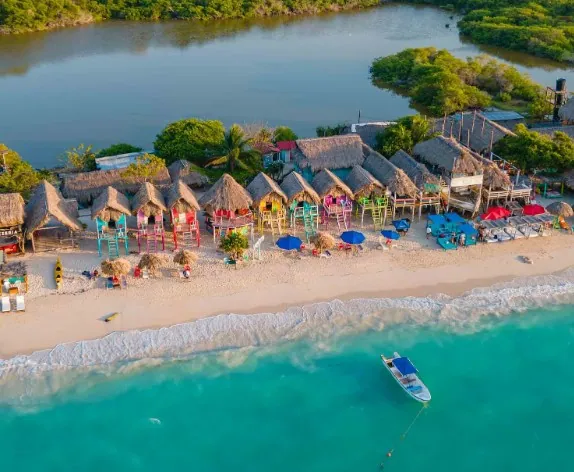
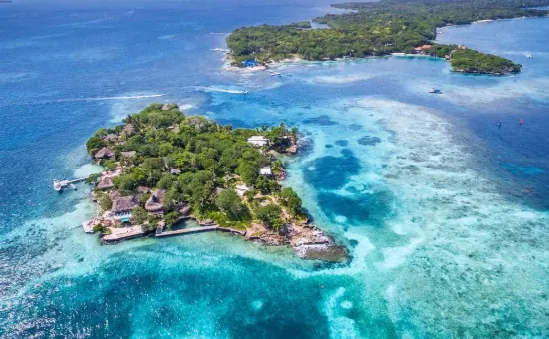
Pristine peninsula with white sand beaches and crystal-clear Caribbean waters.
Caribbean coast of the Barú peninsula, south of Cartagena Bay
- Destination
- Cartagena
- Typical charter
- Half day (5 hours) or full day
- From Club Náutico (Manga)
- About 45–60 minutes
About This Stop
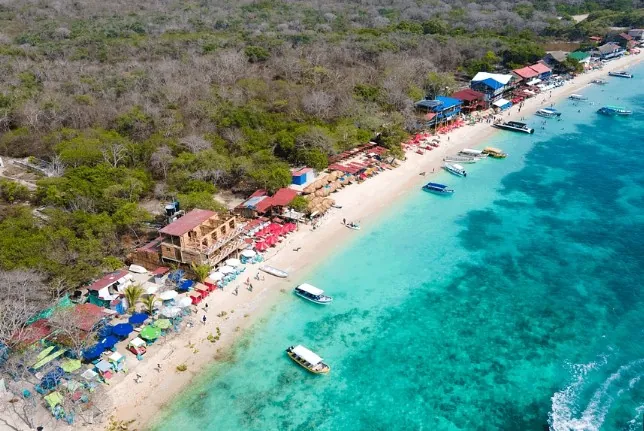
Barú is the long, low strip of land that closes off the south side of Cartagena's bay, separated from the mainland only by the Canal del Dique. Locals call it an island, though geographically it is a peninsula. Its Caribbean-facing shore is lined with white sand and pale turquoise shallows, and it is the closest place to the city where the water turns properly clear.
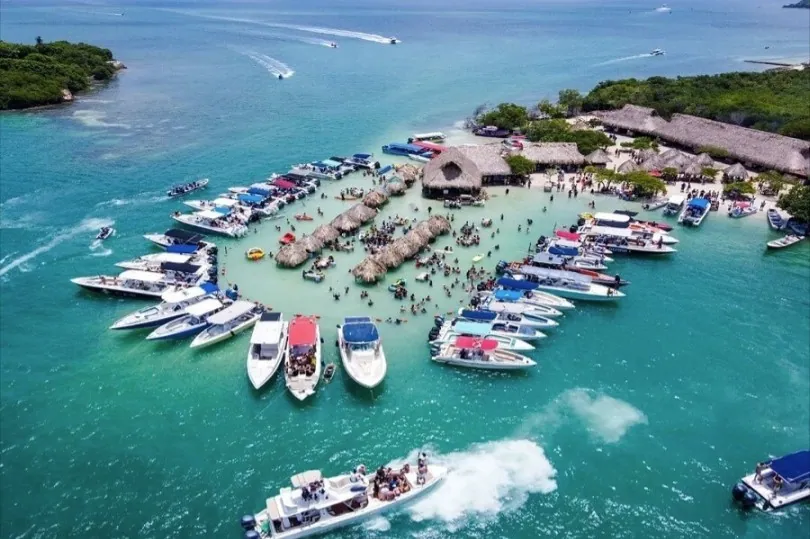
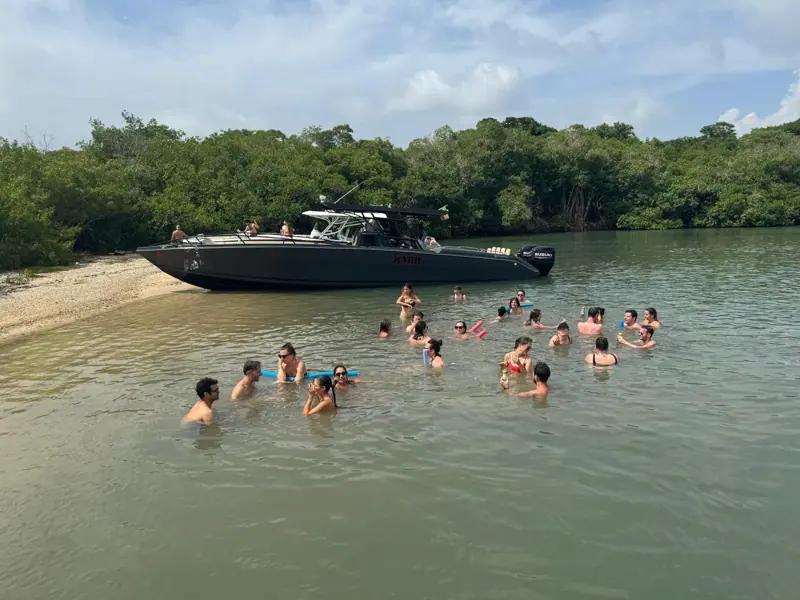
By yacht, Barú works as a choose-your-mood coastline: the long beach at Playa Blanca, the boat-party lagoon at Cholón, and quieter stretches such as Agua Azul and Playa Tranquila are all within a short hop of each other. Guests can swim off the stern, go ashore for a seafood lunch at a beach club, and still be back in Cartagena for sunset.
Highlights
- White-sand beaches and calm, clear shallows on the Caribbean side
- Several moods in one area: Playa Blanca, Cholón, Agua Azul and Playa Tranquila
- Beach clubs serving fresh fish, coconut rice and patacones
- Close enough to pair with the Islas del Rosario on a full-day charter
- Aviario Nacional de Colombia on the peninsula, about 170 bird species across seven hectares
Best For
- Beach Days
- Swimming
- Beach Clubs
- Families
- Day Charters
Travel Times From Marinas
- About 45–60 min from Club Náutico (Manga) by motor yacht (speedboats about 30–45 min; shallow-draft boats can shortcut through the gap in the submerged Bocagrande breakwater, while larger yachts exit via the Bocachica channel)
- About 45–60 min from Marina Santa Cruz (Manga) (same route as Club Náutico; the two marinas are neighbours on Isla de Manga)
- About 40–55 min from Muelle de la Bodeguita (the city's public tourist pier in the walled city; confirm at booking whether your yacht boards here)
Local Rules
Parts of Barú's waters, including the Cholón area, fall under the jurisdiction of the Parque Nacional Natural Corales del Rosario y San Bernardo, so anchor on sand only, never on coral or seagrass, and do not remove coral, shells or sand. Visitors to Barú and the islands must carry the mandatory tourist accident and assistance insurance, which authorities check before guests land; your operator will confirm how it is arranged. At busy beaches such as Playa Blanca, buoy lines separate swimming areas from boat zones, so boats load and unload only in the marked areas. Agree prices with beach vendors before accepting food, drinks or services, and take all trash back aboard.
Good To Know
- Leave early: morning crossings are usually smoother, and trade winds in the dry season (roughly December to April) can make afternoon returns choppy.
- Weekdays are far calmer than weekends and Colombian public holidays (puentes).
- Bring cash in pesos; many beach vendors and smaller clubs do not take cards.
- Confirm prices before accepting oysters, massages or drinks from vendors who approach the boat.
- Pack reef-safe sunscreen, hats and water; shade on the sand is limited outside beach clubs.
FAQs
Is Barú an island or a peninsula?
It is a peninsula, separated from the mainland by the Canal del Dique, which is why it is popularly called Isla Barú. Since a road bridge opened, the busiest beaches can also be reached by car, so arriving by yacht is the easiest way to pick a quieter stretch.
Are there facilities on Barú?
Yes. Beach clubs along the coast offer loungers, shade, restrooms and lunch, typically as a day pass or minimum spend. Your charter team can reserve one in advance; prices vary by club and season.
Can we combine Barú with the Islas del Rosario?
Yes. Barú sits on the way to the Rosario archipelago, so a full-day charter often pairs a snorkelling stop in the islands with lunch and a swim on Barú.
Location
Location is approximate; your captain sets the exact anchorage on the day.
Ready To Book Your Perfect Yacht?
We’ll match the right yacht, captain and timing for Baru.